

Key Takeaways
- A consistent daily routine helps reduce stress while supporting physical, emotional, and cognitive well-being.
- Dividing the day into morning, afternoon, and evening habits makes routines easier to build and maintain.
- Family members can encourage routines by starting with familiar activities, supporting personal interests, and allowing flexibility.
- Healthy routines should evolve over time to reflect changing abilities, preferences, and daily needs.
- Senior living communities naturally support routine through dining, wellness programs, social opportunities, and personalized schedules.
The Benefits of Routine for Older Adults
Daily life often becomes easier when there is a familiar rhythm to follow. Knowing what comes next can reduce unnecessary stress, make everyday decisions feel simpler, and create more opportunities to focus on meaningful moments. Whether someone lives at home or in a senior living community, consistent routines can support both physical and emotional well-being.
A routine doesn’t have to mean every day looks exactly the same. Instead, it provides a comfortable framework that encourages healthy habits while leaving room for personal interests, family visits, and spontaneous activities. As needs change over time, routines can evolve while still offering the stability that helps older adults feel confident and connected.
What a Balanced Daily Routine Actually Looks Like
There isn’t one perfect daily schedule for every older adult. The best routines reflect personal preferences, energy levels, and favorite activities while encouraging healthy habits throughout the day. Breaking the day into natural segments can make creating a routine feel simple and sustainable.
Mornings
A consistent morning routine helps establish a positive tone for the day. Waking up around the same time, enjoying breakfast, spending a few quiet moments reading, or taking a short walk outdoors can help the body settle into a comfortable rhythm. Starting the day without feeling rushed often supports better focus and steadier energy.
Afternoons
Afternoons are a great time to stay active, enjoy hobbies, and connect with others. Sharing lunch with friends, participating in a fitness class, working on a creative project, or spending time outdoors all contribute to a balanced day. Regular movement and social interaction also help support both physical health and cognitive well-being.
Evenings
Evening routines create a natural transition toward rest. Eating dinner at a consistent time, enjoying a favorite television show, listening to music, or reading before bed can help signal that the day is winding down. A relaxing evening routine often makes it easier to maintain healthy sleep habits.
How to Help an Older Loved One Create a Routine
Building a routine doesn’t require making dramatic changes overnight. Small, familiar habits often become the foundation for lasting routines that feel natural rather than forced. Family members can help by encouraging consistency while respecting personal preferences and independence.
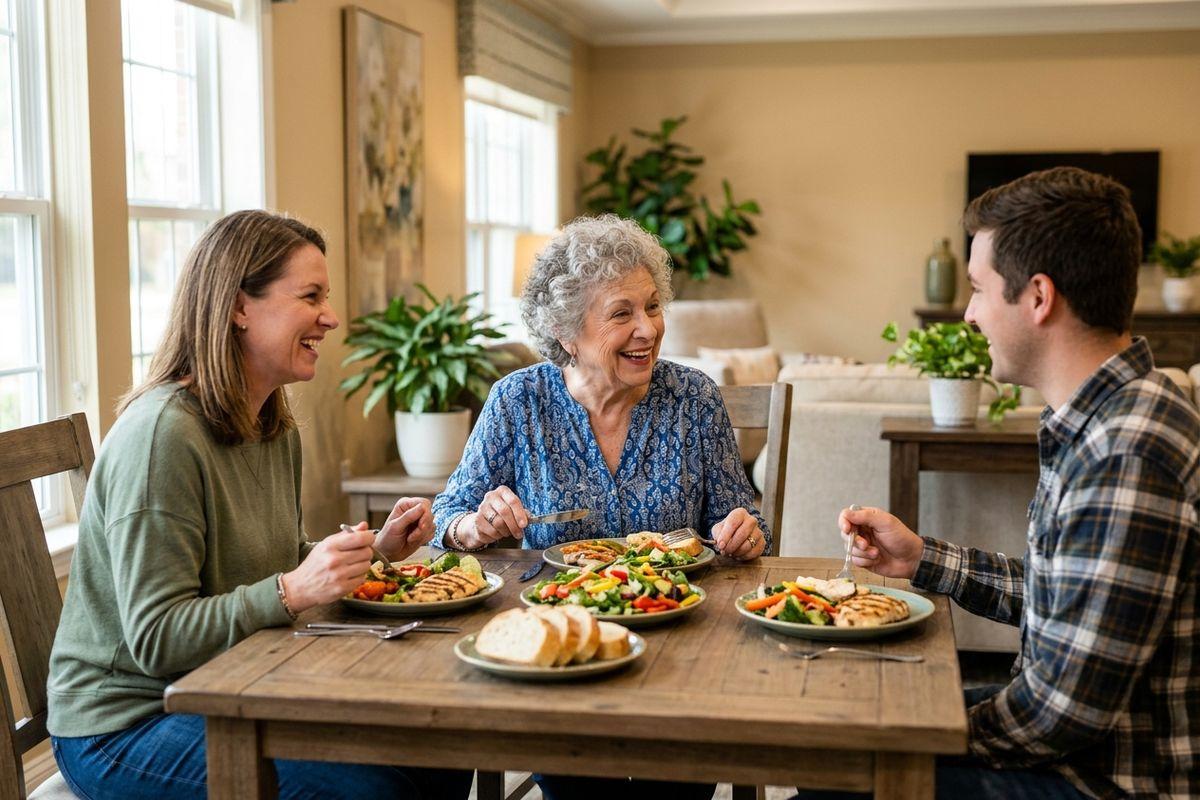
Start with Familiar Habits
Begin with activities your loved one already enjoys. Morning coffee, daily walks, crossword puzzles, gardening, or favorite television programs provide natural anchor points that make new routines easier to maintain.
Build Around Personal Interests
The most successful routines reflect the person’s personality rather than someone else’s expectations. If your loved one enjoys music, reading, cooking, volunteering, or spending time outdoors, those activities should become part of the daily rhythm whenever possible.
Encourage Consistency Without Rigidity
A routine should provide structure, not create pressure. Missing an activity or changing plans occasionally doesn’t mean the routine has failed. Allowing flexibility makes healthy habits easier to maintain over time.
Adjust the Routine as Needs Change
Routines naturally evolve throughout life. Changes in mobility, health, energy levels, or interests may call for new activities or additional support. Revisiting the routine together helps ensure it continues to meet your loved one’s needs while supporting independence whenever possible.
How to Find Routine in Senior Living
For many older adults, senior living provides an environment where healthy routines develop naturally. Instead of worrying about household responsibilities or coordinating every detail of the day, residents can focus on the experiences and relationships that matter most.
Many communities support consistent daily routines through thoughtful services and lifestyle opportunities, including:
- Chef-prepared meals served at regular times
- Daily wellness, fitness, and enrichment programs
- Opportunities to socialize with neighbors throughout the day
- Comfortable surroundings that feel familiar and welcoming
- Personalized support that adapts to individual preferences and schedules
- Activities that encourage lifelong learning, creativity, and engagement
Rather than following a rigid schedule, senior living allows each person to create a routine that reflects their interests while providing dependable opportunities for connection, wellness, and personal growth.
A Day Full of Purpose Starts Here
Routine is about more than keeping a schedule. It creates opportunities to stay active, nurture meaningful relationships, and approach each day with greater confidence. Whether someone is living independently or receiving additional support, familiar daily habits can make life feel more comfortable, balanced, and fulfilling.
At Juniper Village at Preston Hollow, we believe every person deserves a routine that reflects who they are. Through personalized assisted living and Wellspring memory care, we help residents build meaningful days filled with connection, wellness, and opportunities to thrive. Schedule a visit with us today to find a community, and come discover how a personalized daily routine can help your loved one live with greater purpose every day.